When Your Boiler Fails, Heat Your Home Again Quickly
A cold basement with no hot water, radiators that won’t heat, or a furnace that won’t fire signals an immediate problem—and on a winter night, an emergency. J&G Heating & Air Conditioning dispatches NATE-certified technicians during emergency hours (Mon–Sun, 6:00 AM–10:00 PM, after-hours fee applies) to diagnose and repair boiler failures across Lancaster County. We’ve spent nearly three decades repairing hydronic heating systems, and we know exactly how to identify whether the problem is a failed pressure relief valve, a stuck flow control valve, a broken pump, or a control board malfunction—and how to restore your heat quickly.
Why Lancaster Homeowners Trust J&G Heating & Air Conditioning for Boiler Repair
Don’t freeze. Get expert boiler repair now. When you’re dealing with a heating emergency, the contractor matters as much as the diagnosis. Our experience, manufacturer certifications, and family-owned service all add up to one thing: a boiler repair done right the first time, backed by people who’ll be here for maintenance and future repairs when you need them.
Get Your Boiler Repaired Today
What Sets Our Boiler Repair Apart?
Boiler failures on winter nights are crises. Emergency service is available Mon–Sun, 6:00 AM–10:00 PM (after-hours fee applies). When you call during emergency hours, dispatch sends the nearest technician equipped with diagnostic tools, common replacement parts, and years of repair experience. We respond within 2–4 hours for emergency calls and often faster during business hours. When your heat stops, our priority is getting it back on.
Boiler systems are more complex than forced-air furnaces—they involve water pressure, circulation pumps, expansion tanks, and multiple safety valves. When a boiler fails, diagnosis requires understanding how water flows, where blockages form, and how pressure controls function. Our technicians diagnose hydronic problems faster because we understand the complete system, not just the boiler. That expertise means fewer wrong guesses and quicker fixes.
Our repair technicians hold NATE certification in hydronic heating—meaning they’ve passed rigorous exams on boiler controls, water pressure safety, circulation system troubleshooting, and gas combustion. But certification alone isn’t enough. Our team has repaired hundreds of boilers across Lancaster County and has encountered the problems your system faces: failed circulator pumps, stuck mixing valves, cracked heat exchanger surfaces, and control board failures. Experience + certification = faster diagnosis and smarter repairs.
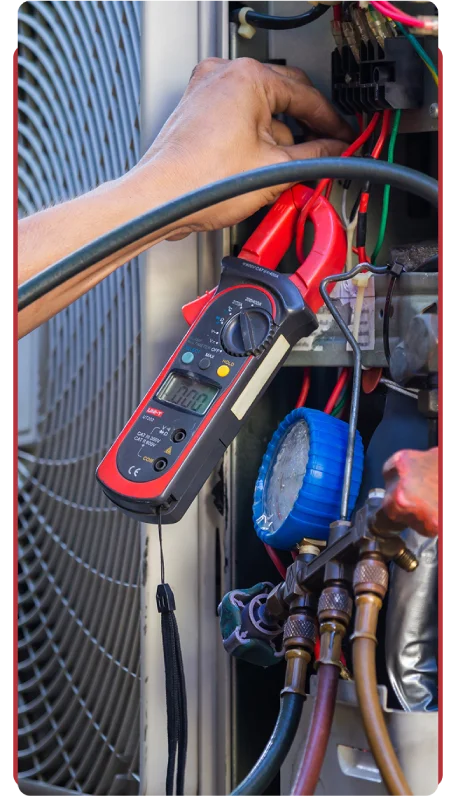
A boiler not starting could be a failed igniter, a stuck gas valve, a tripped high-limit switch, a thermostat problem, or a circulation pump not moving water. We don’t guess. Our technician measures water pressure with a manometer, tests electrical voltage with a multimeter, observes combustion using a flue gas analyzer, and checks pump operation by listening and feeling water temperature. These objective tests pinpoint the problem, eliminating guesswork and unnecessary parts replacement.
Whether your system burns natural gas, propane, or oil, and regardless of brand—Burnham, US Boiler, New Yorker, Bradford White, or others—we repair it. We stock parts and understand the quirks of each manufacturer’s controls, pressure switches, and gas valves. Brand doesn’t slow us down; it just means we know exactly what to expect.
Boilers operate under pressure, and safety devices—relief valves, low-water cutoffs, pressure switches—protect your family. If a relief valve is leaking, water spills from your system and pressure drops. If a low-water cutoff fails, the boiler can dry-fire and crack the heat exchanger. We test all safety devices during repair and verify they function correctly before we leave, so your system operates safely.
Our Service Areas
Emergency Boiler Repair Across Lancaster County
J&G Heating & Air Conditioning provides boiler repair across Lancaster County. Emergency service is available Mon–Sun, 6:00 AM–10:00 PM (after-hours fee applies). When your heating system fails on a winter night, our emergency team dispatches a technician equipped with diagnostic tools and common replacement parts. We’ve spent nearly 30 years building expertise in the hydronic heating challenges of our region’s climate and homes.
Communities We Serve:
Boiler repair from our Conestoga headquarters during business and posted emergency hours. Our primary service area with fastest response times on emergency calls. Same-day diagnosis and repair for most heating failures. More about Lancaster boiler service →
Emergency boiler service during posted emergency hours, just 10 minutes east of our office. Rapid dispatch and experienced technicians familiar with this community’s homes and hydronic systems. Quick scheduling for repair appointments. More about Denver boiler service →
Emergency repair service available during posted emergency hours (Mon–Sun, 6:00 AM–10:00 PM, after-hours fee applies). Northeast Lancaster County coverage with our most experienced heating technicians. More about Ephrata boiler service →
Same-day boiler repair on the Route 30 corridor. South Lancaster service area with full diagnostic and repair capabilities on all major boiler brands and hydronic systems. More about Columbia boiler service →
Emergency repair service during posted emergency hours from our north-central service area. Technicians familiar with this community’s homes and boiler systems. Fast dispatch for heating failures. More about Lititz boiler service →
Warning Signs
Signs Your Boiler Needs Emergency Repair
Boiler Won’t Fire or Starts Then Immediately Shuts Off
Your thermostat is calling for heat, but the boiler doesn’t ignite or power down within seconds. Causes include a failed electronic igniter, a tripped high-limit safety switch, a stuck gas valve blocking fuel flow, or a control board failure.
No Hot Water or Radiators Won’t Heat
Your boiler is running but radiators stay cold, or hot water never reaches your taps. This signals a failed circulator pump, a stuck zone valve blocking water flow, or low water pressure in the system.
Water Leaking from the Boiler or Connections
Water pooling around the boiler signals a failing pressure relief valve, a cracked connection, or corrosion on pipe joints. A slowly leaking system loses water pressure gradually, which eventually triggers a low-water shutoff.
Loud Knocking, Banging, or Gurgling Sounds
Boilers should operate quietly with a soft hum of the circulator pump. Loud banging signals water hammer, gurgling means air is trapped in the system’s water lines, and squealing from the pump means bearing wear.
Pressure Rising Too High or Dropping Too Low
Normal boiler pressure is 12–20 PSI. If pressure climbs above 20 PSI, water is overheating or the expansion tank is failing. If pressure drops below 10 PSI, the low-water cutoff shuts down the boiler as a safety measure.
Burning Smell or Carbon Monoxide Concerns
A burning smell during startup is normal as dust burns off. But persistent burning or visible soot around the burner area signals incomplete combustion—a carbon monoxide hazard that requires immediate attention.
Our Process
Our Boiler Repair Diagnosis & Fix Process
Every boiler repair we do follows the same proven process — designed to deliver rapid diagnosis, professional workmanship, and a system that performs from day one. Tap any step below to see exactly what happens.
You describe your boiler problem (no heat, won’t start, low pressure, leaking, strange noises). Our dispatcher logs the call and dispatches the nearest available technician with a fully equipped service vehicle. The technician arrives, observes the boiler and distribution system visually: checking for visible water leaks, inspecting gas connections, looking for discoloration or corrosion around seams, listening for unusual sounds, and feeling water temperature at radiators or pipes. This rapid triage indicates whether the problem is electrical, pressure-related, circulation-based, or combustion-related.
Listen to your description of current symptoms (no heat, won’t start, strange sounds, leaks, pressure problems)
Note boiler brand, approximate age, and any recent service history
Dispatch nearest technician from emergency fleet equipped with diagnostic tools
Technician reviews account and service history before arriving
Arrive within 2–4 hours for emergency calls and assess situation immediately
The technician checks the pressure gauge on your boiler. If pressure is low (below 12 PSI), the system has a leak or lost water during a previous repair. If pressure is high (above 20 PSI), the expansion tank or thermostat may be faulty. They listen to the circulator pump—it should hum steadily—and feel the pump housing. A vibrating pump or silent pump indicates pump failure. They also measure water temperature at the boiler outlet and at one or more radiators. If the boiler heats but radiators stay cold, circulation is blocked by a failed pump, a stuck zone valve, or an air lock.
Read boiler pressure gauge and compare to normal operating range (12–20 PSI)
Listen to circulator pump for normal hum or unusual sounds (squealing, grinding, silence)
Feel pump housing for vibration and measure electrical current draw on pump startup
Measure boiler water temperature at outlet and compare to radiator inlet temperatures
Test zone valves (if equipped) by checking water flow to individual zones
Look for visible water leaks at connections, relief valve, or expansion tank
If the boiler is not firing, the technician tests gas pressure at the gas valve inlet using a manometer. Low pressure signals an upstream issue—a clogged meter regulator, a kinked gas line, or utility-side problem. Normal pressure means the gas is reaching the boiler. They then test the igniter for proper spark output using an igniter tester or multimeter. A weak or absent spark explains failed ignition. They also verify the thermostat signal is reaching the boiler—using a multimeter to confirm 24V AC voltage at the control board when the thermostat calls for heat.
Connect manometer to gas supply inlet and measure pressure; compare to specifications
Verify gas shutoff valve is fully open (not partially closed from a previous service)
Test igniter spark output using igniter tester or by visual observation
Measure voltage at the control board when thermostat calls for heat
Test thermostat wiring continuity from thermostat to furnace control connections
Check for blown circuit breaker or tripped internal breaker in furnace control panel
If the boiler is starting, the technician performs a combustion test using a flue gas analyzer inserted into the vent pipe. The readings reveal whether fuel and air are mixing correctly and whether combustion is complete. They also visually inspect the heat exchanger for visible cracks, corrosion, or separation of seams. A cracked heat exchanger is a serious problem and a carbon monoxide hazard—if found, the boiler should not operate until the heat exchanger is replaced.
Insert flue gas analyzer probe into vent pipe to measure oxygen, CO₂, and CO levels
Verify combustion readings match manufacturer specifications for your boiler model
Perform non-invasive carbon monoxide test in your home air
Visually inspect accessible heat exchanger surfaces for cracks or corrosion
Check vent pipe for cracks, rust, or loose connections allowing gas leaks
Document combustion efficiency and any deviations from normal operation
If combustion is normal but the boiler still won’t heat properly, the technician tests individual safety components: the high-limit switch (prevents overheating by shutting burner off if water gets too hot), the low-water cutoff (shuts down if pressure drops dangerously low), pressure relief valve (opens if pressure climbs above safe limits), and flow control valve. A malfunctioning safety component can block normal operation. They use a multimeter to test for electrical continuity and proper operation.
Test high-limit switch responsiveness using manual button test or multimeter for continuity
Test low-water cutoff operation and verify proper pressure trigger point
Test pressure relief valve by manually activating button and listening for valve response
Inspect expansion tank for visible damage, rust, or loss of air charge
Test all electrical connections for corrosion and tighten if loose
Check control board for visible damage, burnt components, or discolored areas
Once the problem is identified, the technician performs the repair: replacing a failed igniter (30 minutes), replacing a failed pressure relief valve (45 minutes to 1 hour), replacing a failed circulator pump (1–2 hours), replacing a zone valve or expansion tank (1–2 hours), cleaning or replacing the burner assembly (1–2 hours), replacing the gas valve (1–2 hours), replacing the control board (1–2 hours), or replacing a cracked heat exchanger (4–6 hours, major repair). After repair, the system is restarted and monitored.
Recover any water or drain lines as needed for component replacement
Replace failed component using manufacturer-approved parts from our stock
Reinstall or rewire component ensuring proper connections and safety interlocks
Refill system with treated water if water was drained during repair
Bleed air from lines to restore proper circulation
Test all safety controls: relief valve, low-water cutoff, limit switches
Run boiler through complete heating cycle and verify temperature rise
Before leaving, water pressure is adjusted to the correct operating point (typically 15 PSI cold), circulation is verified flowing steadily to all radiators, and the boiler is cycled through multiple on/off sequences. The technician explains what failed, why it failed, what the repair involved, and any maintenance recommendations to prevent recurrence. You receive documentation: service receipt with repair description, parts replaced, labor hours, and any warranty terms.
Adjust water pressure to correct operating point (typically 12–15 PSI cold)
Verify circulation pump runs smoothly and quietly
Test all radiators for proper hot water flow and temperature
Confirm thermostat communicates correctly with boiler after repair
Explain repair to you: what failed, why, what was done, prevention recommendations
Provide service documentation: work performed, parts replaced, labor charges, warranty
Leave emergency contact information and explain what constitutes a boiler emergency
Common Repairs
Common Boiler Repairs We Handle
Circulator Pump Replacement
The pump moves heated water through your radiators. A failed pump means the boiler heats but radiators stay cold. Replacement typically takes 1–2 hours and restores circulation immediately. We carry replacement pumps for all major boiler brands.
This safety device opens if internal pressure climbs too high, venting water to prevent system damage. A stuck or leaking relief valve causes pressure problems and water loss. Replacement takes 30–45 minutes and we have parts in stock.
Zone valves direct hot water to specific radiators or rooms. A stuck valve blocks flow to an entire zone, leaving those radiators cold. We test, clean, and replace zone valves to restore multi-zone heating. Repair typically takes 1–2 hours.
Electronic igniters spark the burner flame. A failed igniter means no combustion and no heat. We stock replacement igniters for all major brands and can usually complete replacement same-day within 30 minutes.
Gas valves regulate fuel flow; faulty valves prevent ignition or cause weak flames. Thermostats signal the boiler to start and stop. We test and replace both components. Diagnosis and replacement typically take 1–2 hours.
This tank absorbs water expansion as the boiler heats, preventing dangerous pressure buildup. A failed tank causes pressure spikes and relief valve leaking. Replacement takes 1–2 hours and stabilizes pressure immediately.
The heat exchanger transfers combustion heat to water. Small surface cracks can sometimes be sealed; larger cracks require replacement. This is a major repair (4–6 hours) and is performed only when justified economically.
Modern boilers rely on circuit boards to manage ignition, circulation, and safety controls. A failed board stops the entire system. We carry replacement boards and test communication with your thermostat before leaving.
Make Your Comfort Upgrade Affordable with Flexible Financing Options
We believe every homeowner in Lancaster County deserves access to reliable heating and cooling — regardless of budget. That’s why J&G Heating & Air Conditioning partners with trusted financing providers to offer flexible payment plans that fit your financial situation. Whether you’re replacing an aging boiler, upgrading to a high-efficiency air conditioning system, installing a high-efficiency heat pump, or investing in a new generator system, financing allows you to enjoy the comfort you need today while spreading payments over time.
Our team will walk you through every available option during your free estimate, helping you understand monthly payment amounts, interest rates, and approval requirements. We want the financial side of your project to feel just as comfortable as the temperature in your home.
What Are the Benefits of Financing?
Keep your emergency fund intact while still investing in a high-quality HVAC system. Financing lets you upgrade your comfort without depleting your savings account, giving you financial flexibility and peace of mind.
Don’t wait for your next paycheck or tax return. With financing in place, you can replace an aging system or upgrade today — and start enjoying reliable comfort right away.
Financing puts higher-efficiency equipment within reach. Better systems mean lower energy bills, longer equipment life, and more reliable comfort — benefits that pay off year after year.
Fixed monthly payments make it easy to budget for your project. No surprises, no hidden fees — just a clear path to comfort that fits your household’s finances.
Wells Fargo
As an authorized Wells Fargo financing partner, J&G Heating & Air Conditioning offers a range of credit options to help you manage the cost of your new heating or cooling system. With competitive rates and flexible terms, qualifying homeowners can enjoy convenient monthly payments that fit comfortably into their household budget.
Through our partnership with PowerPay, we provide another trusted financing pathway for Lancaster County homeowners ready to upgrade their home comfort. PowerPay’s streamlined application process and flexible repayment plans make it easy to get started on your project without delay.
GoodLeap offers flexible financing options and competitive rates, making it easy for homeowners to invest in high-efficiency heating, cooling, and generator systems. With a simple application process and a variety of repayment terms, upgrading your home comfort doesn’t have to mean a large upfront cost.
When you join one of our maintenance programs, you’ll receive scheduled tune-ups performed by our NATE-certified technicians who know your system inside and out. We’ll clean critical components, check refrigerant levels, inspect electrical connections, test safety controls, and ensure everything is operating as it should.
Regular maintenance doesn’t just prevent breakdowns — it also helps lower your energy bills and protects your manufacturer warranty coverage. It’s one of the smartest investments you can make in your home’s comfort and your family’s safety.
Our Maintenance Plans Include:
Receive professional inspections and tune-ups for your heating and cooling systems each year, ensuring your equipment is ready before the season’s first extreme temperature day.
As a maintenance plan member, your service requests jump to the front of the line — so you spend less time waiting on a fix and more time enjoying a comfortable home.
A clean, well-tuned system uses less energy to deliver the same comfort. Members typically see lower monthly utility bills and a smaller carbon footprint year-round.
Catching small issues early prevents major breakdowns and extends the life of your HVAC equipment — protecting both your comfort and your investment.
Check that the thermostat is set to heat and the temperature setting is above room temperature. If it still won’t start, check the pressure gauge reads 12–20 PSI. Low pressure shuts down the boiler as a safety measure. If pressure is normal but the boiler won’t fire, call us immediately for emergency diagnosis at 717-872-6994.
Water leaks from pressure relief valves if pressure is too high, cracked connections, corroded pipe joints, or a failed expansion tank. A slow leak loses system pressure gradually, eventually triggering low-water shutdown. A major leak needs immediate attention to prevent heat exchanger damage. We identify the leak source during service.
We aim for 2–4 hours same-day response for emergency calls. If you call early morning, same-day repair is standard. Weekend and holiday emergencies are answered by our on-call technician. Cold winter nights are our priority—we move fast when heat is down.
That depends on what’s broken and repair cost. A single failed component is usually worth repairing even on an older boiler. If repairs have become frequent or a major component like the heat exchanger fails, replacement may be more economical. We assess and give honest recommendations.
Maintenance catches developing problems before they become emergencies: corrosion on connections, weak gas pressure, burner deposits reducing efficiency, and carbon monoxide issues. A system running acceptably today can have hidden problems. Maintenance finds these early while still affordable.
Yes. Replacement parts carry manufacturer warranty, typically 1–5 years depending on component. Our labor is backed by a 1-year satisfaction guarantee—if something we fixed fails again due to workmanship, we return and make it right at no charge.
Absolutely. We service all major boiler brands: Burnham, US Boiler, New Yorker, Bradford White, and others. Brand and age don’t matter—we have the tools and expertise to diagnose and repair your system.
A repair call fixes a problem—your boiler isn’t working and we restore operation. A tune-up (maintenance) is preventive—we clean the burner, test all controls, measure gas pressure, inspect the heat exchanger, and identify developing issues before they fail.
Normal operating pressure is 12–20 PSI depending on your system. Pressure below 10 PSI triggers the low-water cutoff shutting the boiler down. Pressure above 25 PSI activates the relief valve, venting water to prevent damage. We set your system correctly and train you to monitor it.
Air trapped in systems creates cold radiators and gurgling sounds. Some systems have manual air vents on radiators you can open. But if repeated bleeding is needed, call us—it usually signals circulation problems or leaks that need professional diagnosis and repair.
Let’s Get Started
Get Your Boiler Repaired—Today
When your boiler fails on a winter night, a rapid, expert repair is the difference between a warm home and a freezing emergency. J&G Heating & Air Conditioning specializes in boiler diagnosis and repair. We’ve spent nearly three decades fixing hydronic heating systems across Lancaster County. When you call us, you’re getting technicians with deep hydronic knowledge, diagnostic discipline, and the parts and tools needed to fix your system fast.
After repair, maintenance prevents future emergencies. Join our maintenance plan for annual fall tune-ups before heating season. Preventive maintenance catches developing problems early, extends your boiler’s life, and gives you confidence heading into winter. Explore our maintenance plans to protect your investment.