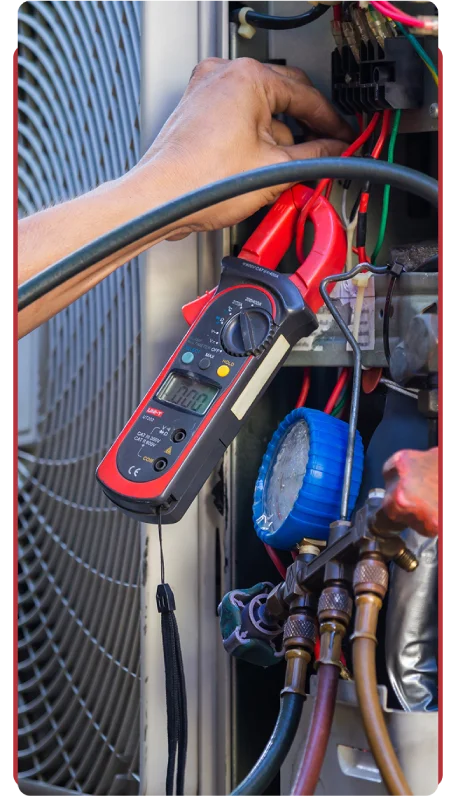
Pennsylvania winters are unforgiving, and a dead furnace in January means your family is in danger of freezing pipes and worse. J&G Heating & Air Conditioning sends NATE-certified technicians across Lancaster County for emergency furnace diagnosis and repair during emergency hours (Mon–Sun, 6:00 AM–10:00 PM, after-hours fee applies). We’ve been fixing heating systems since 1997, and we know exactly how to pinpoint problems—whether it’s a failed igniter, a stuck valve, a broken blower motor, or a control board that won’t fire—and get you back to warm, safe heat.
Why Lancaster Homeowners Trust J&G Heating & Air Conditioning for Furnace Repair
Your furnace emergency is our priority. When you’re dealing with a heating failure in the middle of winter, you need a contractor who responds fast, diagnoses accurately, and fixes the problem right the first time. Our NATE-certified technicians have the expertise to handle any furnace brand or fuel type, and emergency service is available Mon–Sun, 6:00 AM–10:00 PM (after-hours fee applies).
When your furnace quits on a freezing night, emergency service is available Mon–Sun, 6:00 AM–10:00 PM (after-hours fee applies). Our emergency team dispatches the nearest available technician with a fully stocked service vehicle carrying common replacement parts, diagnostic tools, and the expertise to fix most furnaces before you lose heat. We respond within 2–4 hours for emergency calls, often faster during regular business hours.
Furnace repair requires specialized knowledge—understanding gas combustion, electrical controls, draft systems, and safety interlocks. Our technicians hold NATE certification in heating, meaning they’ve passed rigorous exams on furnace diagnostics, gas line safety, venting requirements, and control system troubleshooting. When they arrive, they bring experience from hundreds of furnace repairs in Lancaster County homes.
A furnace breaking down is stressful, and you’re vulnerable to pressure. We don’t exploit that. Our technicians assess whether your furnace can be repaired affordably or if replacement makes economic sense for a system nearing end-of-life. We’ll tell you the truth: sometimes a single failed part restores reliable operation for another 5+ years; sometimes a 20-year-old furnace with multiple problems has reached the point where repairs cost more than replacement.
Nearly three decades serving Lancaster County families means we prioritize the relationships we build. We know the climate challenges, common furnace failures in homes from different eras, and the importance of reliability when temperatures drop. Our emergency line staffs experienced technicians who care about getting you warm—not just making a quick service call.
Whether your system burns natural gas, propane, oil, or electric resistance, we repair it. Heil, Burnham, Carrier, Trane, Goodman, Lennox—we service all of them. We stock parts and know the quirks of each manufacturer, so diagnosis and repair move quickly.
Emergency repair costs vary by problem, but you’ll never be shocked by your invoice. We quote the repair upfront after diagnosis, explain what’s needed and why, and discuss whether parts are in stock or need ordering. No hidden fees, no inflated labor hours, no pressure to replace parts that are still functioning.
Our Service Areas
Emergency Furnace Repair Across Lancaster County
J&G Heating & Air Conditioning provides furnace repair across Lancaster County. Emergency service is available Mon–Sun, 6:00 AM–10:00 PM (after-hours fee applies). When your heat fails, our emergency team dispatches a technician equipped with diagnostic tools and common replacement parts to get you warm again quickly. We’ve spent nearly 30 years building expertise in the heating challenges of our region’s climate.
Communities We Serve:
Furnace repair from our Conestoga headquarters during business and posted emergency hours. Our primary market with fastest response times on emergency calls. Same-day diagnosis and repair for most heating failures. More about Lancaster furnace service →
Emergency furnace service during posted emergency hours, just 10 minutes east of our office. Rapid dispatch and experienced technicians familiar with this community’s homes. Quick scheduling for repair appointments. More about Denver furnace service →
Emergency repair service available during posted emergency hours (Mon–Sun, 6:00 AM–10:00 PM, after-hours fee applies). Northeast Lancaster County coverage with our most experienced heating technicians. More about Ephrata furnace service →
Same-day furnace repair on Route 30 corridor. South Lancaster service with full diagnostic and repair capabilities on Heil, Burnham, and all major brands. More about Columbia furnace service →
Emergency repair service during posted emergency hours from our north-central service area. Technicians familiar with this community’s homes and systems. Fast dispatch for heating failures. More about Lititz furnace service →
Warning Signs
Warning Signs Your Furnace Needs Repair
Don’t wait for a complete breakdown. These warning signs indicate your furnace needs professional attention before it fails completely. Tap any sign below to learn what it means and what we can do to fix it.
Your thermostat is set to heat, but the furnace doesn’t ignite or powers down within seconds. This could signal a failed igniter (the component that lights the pilot or gas flame), a broken limit switch (a safety device that prevents overheating), a thermostat wiring problem, or a draft safety switch that’s closing because exhaust isn’t venting properly. Sometimes it’s a blown breaker or a safety interlock tripped by a previous shutdown. We diagnose which component is at fault during the service call.
Your furnace is running—the blower is on and air is blowing—but it’s not warm or only slightly warm. Possible causes include a cracked heat exchanger (the component that transfers combustion heat to your home’s air), a failed gas valve that’s not metering fuel correctly, a blocked burner nozzle, or low gas pressure from a meter issue. A cracked heat exchanger is serious (risk of carbon monoxide) and requires immediate professional assessment. We test combustion, measure heat output, and inspect the heat exchanger visually to pinpoint the cause.
Furnaces produce a quiet whoosh of air and occasional clicks as the control cycles on and off. Banging from the furnace cabinet itself signals a component vibrating loose—possibly a burner assembly or a heat exchanger crack. Rumbling or roaring during operation warns of a dirty burner or incomplete combustion. Squealing from the blower motor means bearing wear and failure is near. These noises are red flags and warrant immediate inspection.
A burning smell on startup (especially after a long off-season) is normal as dust burns off. But a persistent burning smell—especially if accompanied by visible soot around the furnace cabinet—signals incomplete combustion, a clogged burner, or contaminated fuel. This is a carbon monoxide hazard and needs immediate professional attention. Never ignore burning smells.
Your furnace is running but the blower motor isn’t spinning, or it’s running nonstop even when the thermostat isn’t calling for heat. A non-starting blower might be a failed motor, a broken belt (on older models), or a control board failure. A constantly-running blower could be a thermostat malfunction, a stuck fan relay, or a control board issue. Both scenarios waste energy and need repair.
If your furnace has a pilot light (older models), it should stay lit consistently through the heating season. A pilot that won’t light or keeps going out signals a thermocouple failure (the safety device that detects the pilot), a clogged pilot nozzle, or a gas valve problem. Modern furnaces use electronic igniters instead of pilots. If the igniter keeps sparking repeatedly without igniting, the igniter is failing or gas isn’t reaching the burner properly.
Our Process
Our Furnace Repair Process
Every furnace repair we do follows the same proven process — designed to deliver fast, accurate diagnosis and reliable repairs that last. Tap any step below to see exactly what happens.
You call or book online describing your furnace problem (won’t start, no heat, strange noise, burning smell). Our dispatcher logs the call, prioritizes it as an emergency if needed, and dispatches the nearest technician with a fully equipped service truck. The technician arrives, introduces themselves, and begins a visual inspection: examining the furnace cabinet for obvious damage, checking gas and electrical connections, looking for soot or discoloration around the burner, and listening for unusual sounds or sensing any burning smells. This rapid triage usually reveals whether the problem is electrical, gas-related, or mechanical.
During this visit, we also review your account and service history to understand any previous repairs or maintenance that might be relevant to the current problem.
Take your description and current symptoms (no heat, won’t start, strange noises, smells)
Note your furnace brand, age if you know it, and any previous repairs
Dispatch nearest technician from our emergency fleet with full diagnostic tools
Technician reviews your account and service history before arriving
Arrive within 2–4 hours for emergency calls; assess situation immediately upon arrival
The technician tests gas pressure at the furnace gas valve using a manometer (a pressure gauge). Low pressure signals an issue upstream—clogged filter on the gas meter, a kinked line, or utility-side problem. They also measure the temperature rise across the furnace heat exchanger by placing thermometers at the return air duct and supply duct—this tells them whether the furnace is producing heat correctly. Simultaneously, they use a multimeter to test voltage at the igniter or pilot control, the blower motor, and the thermostat to confirm power is reaching where it should. This three-point diagnostic (gas pressure, heat output, electrical power) narrows down the problem immediately.
This comprehensive testing approach allows us to quickly identify whether the issue is fuel-related, electrical, or mechanical, saving time and ensuring accurate diagnosis.
Connect manometer to gas valve inlet and measure pressure; compare to manufacturer specifications
Place thermometers at return air and supply duct to measure temperature rise across heat exchanger
Use multimeter to test voltage at igniter, blower motor, and thermostat control
Test thermostat communication to the furnace control board (verify signal is sent when thermostat calls for heat)
Check gas supply at the meter to rule out utility-side issues
If the furnace is starting, the technician performs a combustion test using a flue gas analyzer—a device that measures oxygen, carbon dioxide, carbon monoxide, and combustion efficiency in the exhaust gases. This reveals whether the burner is operating safely and whether the fuel-air ratio is correct. They also visually inspect the heat exchanger (the component where combustion heat is transferred to air) for visible cracks, corrosion, or separation of seams. A cracked heat exchanger is a carbon monoxide hazard and requires immediate attention.
This safety-focused inspection ensures your family’s protection while identifying the root cause of heating problems.
Insert flue gas analyzer probe into the vent pipe to measure oxygen, CO2, CO, and combustion efficiency
Verify combustion readings match manufacturer specifications for your furnace model
Visually inspect heat exchanger for cracks, corrosion, or separation of seams
Test for carbon monoxide in the home air (non-invasive CO meter check)
Document combustion efficiency and any deviations for your records
If combustion is normal but the furnace still isn’t operating correctly, the technician tests individual components: igniter continuity (does it spark?), thermostat wiring for breaks or shorts, blower motor for electrical continuity and mechanical seizure, limit switches for proper operation, and draft safety switches (pressure switches that confirm exhaust is venting safely). A component tester or multimeter identifies which one has failed. They also check for tripped circuit breakers or a blown fuse in the furnace control board.
Our systematic approach to component testing ensures we identify the exact failed part without unnecessary replacements.
Test igniter resistance and spark output using a multimeter or igniter tester
Check thermostat wiring continuity from thermostat to furnace control board
Test blower motor for electrical continuity and mechanical freedom (spin the shaft by hand to confirm it’s not seized)
Test limit switches and draft safety switches using a multimeter for continuity and proper trigger points
Inspect control board for visible damage, burnt components, or tripped internal breakers
Once the problem is identified, the technician performs the repair. This might mean replacing an igniter (30 minutes, usually in stock), replacing a limit switch or draft switch (45 minutes to 1 hour), replacing the blower motor (1–2 hours), replacing the thermostat (30 minutes to 1 hour if a new unit is needed), cleaning or replacing the burner assembly (1–2 hours), gas valve replacement (1–2 hours), or control board replacement (1–2 hours). After repair, the system is restarted and monitored: combustion is tested again, heat output is measured to confirm it matches specifications, all safety controls are tested, and the system is allowed to run through a complete heating cycle to confirm it operates smoothly without unexpected shutdowns.
We use only manufacturer-approved parts and follow strict installation procedures to ensure reliable, long-lasting repairs.
Recover any refrigerant or drain water lines if needed (for hybrid systems)
Replace failed component using manufacturer-approved parts sourced from our stock or ordered same-day
Reinstall or rewire component ensuring proper connections and safety interlocks
Perform a full combustion analysis after repair to verify safe operation
Test all safety controls: limit switches, draft switches, thermostat continuity
Run furnace through a complete heating cycle and measure performance against baseline
Before we leave, the furnace is powered up and cycled through multiple on/off sequences to confirm reliable ignition, consistent heat output, and proper shutdown. The technician explains what failed, why it failed, what the repair involved, and any maintenance recommendations to prevent future problems. You receive documentation: a service receipt with description of repair, parts replaced, labor hours, and any warranty terms (we warranty our work for one year). We also provide our emergency contact number for any questions during the first days of operation.
Our thorough documentation and follow-up support ensure you have complete confidence in the repair and know exactly what was done.
Power up furnace and confirm ignition and blower sequence
Run system for at least 20 minutes through multiple cycles, measuring temperature and pressure
Verify thermostat communicates correctly with furnace after repair
Confirm all safety controls operate properly (manual testing of limit and draft switches)
Explain repair to you: what failed, why, what was done, maintenance recommendations
Provide service documentation: work performed, parts replaced, labor charges, warranty terms
Leave emergency contact information and explain what qualifies as an emergency versus routine issues
Common Repairs
Common Furnace Repairs We Handle
Our technicians are equipped to handle all types of furnace repairs, from simple component replacements to complex system diagnostics. Here are the most common repairs we perform for Lancaster County homeowners.
Igniter Replacement
Electronic igniters spark the gas flame and wear out over time. A failed igniter means no ignition and no heat. Replacement is straightforward and takes 30 minutes. We stock multiple igniter types, so most repairs are completed same-day without delay.
Limit switches prevent overheating; draft safety switches confirm exhaust is venting safely. When either fails, the furnace won’t start or shuts down unexpectedly. Replacement is quick and our technicians carry these parts in the service truck.
The blower motor pushes heated air through your ducts. A failed motor means the furnace heats but no warm air reaches your rooms. Replacement takes 1–2 hours and can often be completed same-day. We stock replacement motors for all major brands.
A faulty thermostat won’t signal the furnace to start, or it signals nonstop causing constant cycling. Thermostat repairs range from wiring fixes to full replacement. We ensure the new unit communicates correctly with your furnace before we leave.
A cracked heat exchanger is serious—it risks carbon monoxide leaking into your home. Small surface cracks can sometimes be sealed; larger cracks require component replacement. We inspect thoroughly and explain all options before proceeding.
Gas valves regulate fuel flow; pilot controls manage the pilot light (on older furnaces). Failed valves prevent ignition or cause weak flames. We test valves using pressure gauges and replace them if needed. Diagnosis and repair typically take 1–2 hours.
Make Your Comfort Upgrade Affordable with Flexible Financing Options
We believe every homeowner in Lancaster County deserves access to reliable heating and cooling — regardless of budget. That’s why J&G Heating & Air Conditioning partners with trusted financing providers to offer flexible payment plans that fit your financial situation. Whether you’re replacing an aging boiler, upgrading to a high-efficiency air conditioning system, installing a high-efficiency heat pump, or investing in a new generator system, financing allows you to enjoy the comfort you need today while spreading payments over time.
Our team will walk you through every available option during your free estimate, helping you understand monthly payment amounts, interest rates, and approval requirements. We want the financial side of your project to feel just as comfortable as the temperature in your home.
What Are the Benefits of Financing?
Keep your emergency fund intact while still investing in a high-quality HVAC system. Financing lets you upgrade your comfort without depleting your savings account, giving you financial flexibility and peace of mind.
Don’t wait for your next paycheck or tax return. With financing in place, you can replace an aging system or upgrade today — and start enjoying reliable comfort right away.
Financing puts higher-efficiency equipment within reach. Better systems mean lower energy bills, longer equipment life, and more reliable comfort — benefits that pay off year after year.
Fixed monthly payments make it easy to budget for your project. No surprises, no hidden fees — just a clear path to comfort that fits your household’s finances.
Wells Fargo
As an authorized Wells Fargo financing partner, J&G Heating & Air Conditioning offers a range of credit options to help you manage the cost of your new heating or cooling system. With competitive rates and flexible terms, qualifying homeowners can enjoy convenient monthly payments that fit comfortably into their household budget.
Through our partnership with PowerPay, we provide another trusted financing pathway for Lancaster County homeowners ready to upgrade their home comfort. PowerPay’s streamlined application process and flexible repayment plans make it easy to get started on your project without delay.
GoodLeap offers flexible financing options and competitive rates, making it easy for homeowners to invest in high-efficiency heating, cooling, and generator systems. With a simple application process and a variety of repayment terms, upgrading your home comfort doesn’t have to mean a large upfront cost.
When you join one of our maintenance programs, you’ll receive scheduled tune-ups performed by our NATE-certified technicians who know your system inside and out. We’ll clean critical components, check refrigerant levels, inspect electrical connections, test safety controls, and ensure everything is operating as it should.
Regular maintenance doesn’t just prevent breakdowns — it also helps lower your energy bills and protects your manufacturer warranty coverage. It’s one of the smartest investments you can make in your home’s comfort and your family’s safety.
Our Maintenance Plans Include:
Receive professional inspections and tune-ups for your heating and cooling systems each year, ensuring your equipment is ready before the season’s first extreme temperature day.
As a maintenance plan member, your service requests jump to the front of the line — so you spend less time waiting on a fix and more time enjoying a comfortable home.
A clean, well-tuned system uses less energy to deliver the same comfort. Members typically see lower monthly utility bills and a smaller carbon footprint year-round.
Catching small issues early prevents major breakdowns and extends the life of your HVAC equipment — protecting both your comfort and your investment.
For emergency calls, we aim for 2–4 hours same-day response. If you call early in the morning, same-day is standard. Weekend and holiday emergencies are answered by our on-call technician. Cold nights are our priority—we move fast when your heat is down.
Repair costs depend on what’s broken. Simple repairs like igniter replacement are affordable; more complex repairs like heat exchanger or control board replacement cost more. We quote upfront after diagnosis so you know the cost before work begins. We always discuss whether repair or replacement makes economic sense for your furnace’s age and condition.
Yes. Parts carry manufacturer warranty (1–5 years depending on the component). Our labor is backed by a 1-year satisfaction guarantee—if something we fixed fails again due to workmanship, we return and make it right at no charge. We stand behind what we do.
That depends on what’s broken and the repair cost. If the repair is straightforward and the furnace has been reliable otherwise, repair makes sense and can extend its life another 5+ years. If repairs have become frequent or if a major component has failed, replacement may be more economical long-term. We’ll assess and give you an honest recommendation.
Yes, potentially. A cracked heat exchanger allows combustion byproducts—including carbon monoxide—to mix with your home’s air. We perform visual inspections and can test for CO in your home. If a crack is found, the furnace should not run until the heat exchanger is replaced.
Absolutely. We service all major furnace brands: Heil, Burnham, Carrier, Trane, Lennox, Goodman, and others. We stock parts and have technicians trained on all of them. Brand and age don’t matter—we’ll diagnose and fix your system.
Banging usually signals a component vibrating loose, possibly a burner assembly or heat exchanger crack. Rumbling or roaring means incomplete combustion or a dirty burner. Squealing means blower motor bearing wear. None of these are normal and all require professional inspection. Call us immediately if you hear unusual furnace sounds.
A repair call fixes a problem—your furnace isn’t working and we get it running again. Maintenance is preventive—we clean the burner, test all controls, check gas pressure, inspect the heat exchanger, and identify potential issues before they break down. Maintenance prevents costly emergency repairs.
Yes. Emergency service is available Mon–Sun, 6:00 AM–10:00 PM (after-hours fee applies), including weekends and holidays. Call 717-872-6994 during emergency hours and our dispatcher will send a technician. After-hours and weekend emergency calls carry an after-hours fee, but we prioritize getting your heat back on.
Furnaces typically last 15–20 years. If your furnace is in that range and repair costs are significant, or if it has failed multiple times in recent years, replacement often makes more sense. We’ll provide a full assessment and help you weigh repair versus replacement costs based on your specific situation.
Get Emergency Repair
Get Emergency Furnace Repair Now
A cold furnace in winter is a crisis, and J&G Heating & Air Conditioning is equipped to help immediately. We’ve served Lancaster County families for nearly three decades with honest diagnostics, transparent pricing, and responsive emergency service (Mon–Sun, 6:00 AM–10:00 PM, after-hours fee applies). When your heat fails, we show up fast, diagnose accurately, and fix your furnace right.
Maintenance prevents emergencies. Join our customers who schedule annual tune-ups before each heating season. A small investment in maintenance now saves thousands in emergency repairs later. Join our maintenance plan for automatic seasonal service and priority emergency response.
Annual maintenance before winter catches problems early, cleans components, and ensures safe operation. One tune-up per year prevents costly emergency repairs.
If your furnace is 18+ years old or repairs are becoming frequent, replacement may be the smarter long-term choice. We install high-efficiency furnaces with warranties.