Reliable Winter Heat Starts with Fall Furnace Maintenance
Pennsylvania winters are long, and a furnace kept in peak condition is your home’s most critical system. J&G Heating & Air Conditioning provides comprehensive annual furnace maintenance and fall tune-ups to ensure your heating system operates safely, efficiently, and without interruption when you need warmth most. A simple one-hour maintenance visit before the heating season prevents mid-winter emergencies and extends your furnace’s useful life.
Why Lancaster Homeowners Choose J&G Heating & Air Conditioning for Furnace Maintenance
When you’re preparing your home for Pennsylvania’s harsh winters, the contractor matters as much as the maintenance itself. Our experience, safety certifications, and family-owned service all add up to one thing: furnace maintenance done right the first time, backed by people who’ll be here for emergency repairs when you need them most.
Schedule Your Fall Furnace Maintenance
What Sets Our Furnace Maintenance Apart?
Furnaces burn gas—or oil—to create heat, and any problem with combustion or venting poses a carbon monoxide risk to your family. Our technicians perform combustion analysis and non-invasive CO testing during every maintenance visit to confirm your furnace is operating safely. We’re NATE-certified in heating and trained in gas and oil safety protocols. Your family’s safety comes first.
A furnace breaking down on January 15th at 11 p.m. is a crisis. Maintenance prevents most emergency calls. During a fall tune-up, we catch worn ignition components, weak gas valves, clogged burners, and developing electrical problems while they’re still manageable. A failing limit switch or burner blockage found in November can be fixed affordably; the same problem discovered in January costs more and leaves you cold.
Modern furnaces are efficient, but efficiency degrades over time as burners accumulate deposits and gas mixing becomes less precise. We test combustion using a flue gas analyzer to measure oxygen, CO₂, and CO levels in your exhaust. This reveals whether your furnace is operating within safe parameters and at the efficiency level it should achieve. If combustion is off, we clean the burner or adjust the gas valve to restore efficiency—often lowering your heating bills.
Our founder’s discipline and attention to safety defines how we maintain furnaces for Lancaster County families. When you schedule furnace maintenance with J&G Heating & Air Conditioning, you’re trusting a company that’s spent nearly three decades keeping heating systems running through our region’s brutal winters. We understand what furnaces face here—rapid temperature swings, lengthy heating seasons, and the consequences of failure.
Furnace maintenance isn’t just about the burner. We inspect the entire system: heat exchanger condition, blower motor performance, limit switches, draft safety switches, thermostat wiring, gas connections, and ductwork performance. A cracked heat exchanger discovered during maintenance can be addressed before it becomes a carbon monoxide hazard. A struggling blower motor showing early wear can be repaired before it fails mid-season.
You’ll receive documentation of every inspection and test, with honest recommendations for any developing issues. If your furnace is approaching end-of-life or if major repairs are needed soon, we’ll tell you upfront so you can plan. If your system is sound and well-maintained, you’ll have confidence heading into the heating season.
Our Service Areas
Furnace Maintenance Service Across Lancaster County
J&G Heating & Air Conditioning provides fall and winter furnace maintenance across Lancaster County to prepare your heating systems for Pennsylvania’s cold-season demands. Whether you need pre-winter tune-ups or off-season assessments, we schedule appointments with minimal wait time and provide complete service records for your home.
Communities We Serve:
Fall furnace maintenance with quick scheduling from our main office. Preparation visits before winter heating season begins. Our primary service area with experienced technicians familiar with Lancaster County home systems. More about Lancaster furnace service →
Seasonal furnace tune-ups 10 minutes east of our headquarters. Convenient appointment availability and rapid dispatch if heating emergencies arise during winter. Consistent technician continuity for repeat customers. More about Denver furnace service →
Professional furnace maintenance for northeast Lancaster County homes. Experienced heating technicians familiar with regional climate and furnace types common in this area. Fall scheduling ensures winter readiness. More about Ephrata furnace service →
Furnace maintenance service south of Lancaster along Route 30. Complete inspections and tune-ups with attention to system-specific details. Documentation and follow-up support for winter season. More about Columbia furnace service →
Annual furnace maintenance appointments available for north-central Lancaster County. Technicians trained in all major furnace brands and styles. Maintenance records maintained for system continuity and performance tracking. More about Lititz furnace service →
Our Process
Our Furnace Maintenance & Seasonal Preparation Process
Every furnace maintenance visit we do follows the same proven process — designed to ensure safe operation, prevent breakdowns, and optimize efficiency. Tap any step below to see exactly what happens during your appointment.
Our technician arrives during your scheduled appointment and begins with a visual safety inspection: checking the furnace cabinet and burner assembly for corrosion, loose connections, or physical damage. They inspect the gas supply line for cracks or leaks (using a soapy water test on accessible joints—bubbles indicate gas escape). They verify the vent pipe is properly connected and has no blockages, loose seams, or gaps that could allow exhaust to leak into your home. Safety is the first priority. If any gas connection issue is found, we address it immediately before proceeding with other maintenance.
Visually inspect furnace cabinet exterior for corrosion, moisture, or damage
Check gas supply line connections and inlet for leaks using leak detection fluid
Verify all vent and chimney connections are tight and properly aligned
Inspect vent termination outside for obstructions (bird nests, ice, debris)
Check for any visible cracks in the furnace cabinet or heat exchanger exterior
Verify furnace location has adequate clearance from combustible materials (insulation, storage)
A clogged furnace filter restricts airflow and forces your blower motor to work harder, reducing efficiency and potentially causing the furnace to overheat or cycle incorrectly. We replace your filter with a new one of the proper MERV rating for your system. We also inspect the burner assembly (where gas mixes with air and ignites) and the combustion chamber walls for deposits and buildup. If visible deposits are present, we carefully clean the burner nozzles and combustion chamber using appropriate tools and solvents. This cleaning restores efficient fuel mixing and combustion.
Replace furnace filter with new filter matching system specifications
Inspect burner assembly for carbon deposits, rust, or damage
Clean burner nozzles and pilot area if clogged or dirty
Wipe combustion chamber walls to remove soot and carbon buildup
Inspect gas valve adjustment and verify it’s set correctly
Check blower wheel for dust accumulation and clean if needed
The technician inserts a flue gas analyzer probe into your furnace vent pipe and records combustion readings: oxygen level, CO₂ level, and carbon monoxide concentration. These readings reveal whether fuel and air are mixing correctly, whether combustion is complete, and critically, whether any CO is being produced. They compare readings against manufacturer specifications for your furnace model. If CO is detected in the exhaust (above safe limits), we stop operation and diagnose the cause—usually a burner issue or venting problem. They also perform a non-invasive CO test in your home air to verify your family isn’t being exposed to carbon monoxide. This test alone is worth the maintenance cost for peace of mind.
Connect flue gas analyzer to vent pipe and record O₂, CO₂, and CO readings
Compare combustion readings against furnace manufacturer specifications
Verify carbon monoxide levels are below safe limits (ideally zero)
Perform home air CO test to confirm no CO leak into living spaces
Document all readings for your safety records
If abnormalities found, diagnose cause and recommend repairs
The heat exchanger is the component where combustion heat is transferred to your home’s air. If it develops cracks, hot combustion byproducts (including carbon monoxide) can leak into your home. Our technician visually inspects the heat exchanger exterior for visible cracks, separation of seams, corrosion, or discoloration. They also check the vent pipe for cracks, rust, or gaps that could allow exhaust to leak into your home or allow outside air to enter. Any cracks or venting problems are flagged immediately—a cracked heat exchanger requires furnace shutdown until replacement.
Visually inspect accessible heat exchanger surfaces for cracks or corrosion
Check vent pipe for rust, holes, or loose joints that allow gas leaks
Verify vent termination is proper (typically 3+ feet above roof or adjacent to wall)
Inspect chimney or flue for blockages, cracks, or deterioration
Check draft safety switch responsiveness (sensor that verifies exhaust venting)
Document findings and photograph any concerns for your records
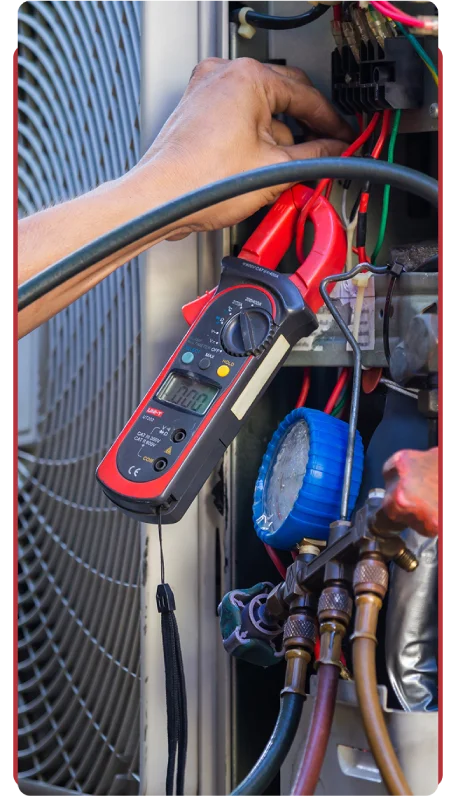
The furnace relies on several electrical safety controls. Our technician uses a multimeter to verify proper voltage at the thermostat (24V AC), igniter or pilot valve, and blower motor. They test the igniter for proper spark output (if equipped with electronic ignition), verify thermostat wiring continuity, and test limit switches and draft safety switches for responsiveness. A limit switch prevents overheating by shutting off the burner if internal temperature gets too high. A draft switch ensures the vent is clear before burner ignition. Both are critical safety components. Electrical testing takes 15–20 minutes but reveals failures before they cause emergency shutdowns.
Test thermostat voltage (should read 24V AC, stable)
Test igniter spark output or pilot valve electrical signal
Verify igniter continuity and spark gap (if removable electrode type)
Test limit switch responsiveness using manual button test
Test draft safety switch to confirm proper activation at venting
Inspect all electrical connections for corrosion and tighten if loose
Check for tripped breakers or blown fuses in furnace control panel
Your furnace’s blower motor moves heated air through your home’s ducts. We listen to the motor during operation for unusual grinding, squealing, or rattling sounds that indicate bearing wear. We measure electrical current draw on the blower to ensure it’s within normal range—excessive current indicates motor strain or impending failure. We also verify the blower wheel spins freely and isn’t blocked by debris or damaged fan blades. If your furnace has a variable-speed blower (common in high-efficiency units), we test its operation through different speeds to confirm proper control response.
Listen to blower motor during operation for unusual noises
Feel blower discharge temperature and verify heated air is warm
Measure electrical current draw on blower startup and running operation
Visually inspect blower wheel for damage, debris, or blockages
Spin blower wheel by hand (when power is off) to verify free rotation
Test thermostat control signal to blower (G wire continuity)
Once all components have been inspected and tested, the technician allows the furnace to run through a complete heating cycle. They measure the temperature rise across the furnace—placing thermometers at the return-air duct (air entering the furnace) and supply duct (heated air leaving the furnace). The temperature difference tells us whether the furnace is producing the amount of heat it should. They also listen for smooth operation: normal whoosh of air, one or two startup clicks, and a single shutdown cycle. Unusual sounds, erratic cycling, or weak temperature rise indicates remaining problems that need attention.
Measure return-air and supply-air temperatures to calculate heat output
Compare temperature rise against furnace specifications for your model
Confirm blower continues running for proper duration after burner shuts off
Listen for normal operation sounds and note any unusual noise
Verify thermostat responsiveness to setpoint changes during test run
You’ll receive written documentation of every inspection and test: filter replaced, combustion analysis results, electrical tests, component conditions, and any issues identified. We explain seasonal operation: what sounds are normal (clicks at startup, whoosh of air, hum of blower), what problems to watch for (difficulty igniting, weak heat, strange noises), and what maintenance timing works best for your system. If developing issues were identified (corrosion on connections, slight gas pressure variation, blower noise), we recommend monitoring or next-season follow-up. For maintenance plan members, we schedule your next appointment before we leave.
Provide written maintenance report with all test results and findings
Review combustion analysis and CO testing results for your peace of mind
Explain any issues found and recommend repair timing (urgent vs. next season)
Discuss seasonal operation and what sounds/behaviors are normal
Leave emergency contact information for winter heating questions
Schedule next maintenance visit for plan members (typically 12 months)
Answer questions about furnace operation and winter heating readiness
We Service all of the Industries Top Equipment and Install these Trusted Brands
Make Your Comfort Upgrade Affordable with Flexible Financing Options
We believe every homeowner in Lancaster County deserves access to reliable heating and cooling — regardless of budget. That’s why J&G Heating & Air Conditioning partners with trusted financing providers to offer flexible payment plans that fit your financial situation. Whether you’re replacing an aging boiler, upgrading to a high-efficiency air conditioning system, installing a high-efficiency heat pump, or investing in a new generator system, financing allows you to enjoy the comfort you need today while spreading payments over time.
Our team will walk you through every available option during your free estimate, helping you understand monthly payment amounts, interest rates, and approval requirements. We want the financial side of your project to feel just as comfortable as the temperature in your home.
What Are the Benefits of Financing?
Keep your emergency fund intact while still investing in a high-quality HVAC system. Financing lets you upgrade your comfort without depleting your savings account, giving you financial flexibility and peace of mind.
Don’t wait for your next paycheck or tax return. With financing in place, you can replace an aging system or upgrade today — and start enjoying reliable comfort right away.
Financing puts higher-efficiency equipment within reach. Better systems mean lower energy bills, longer equipment life, and more reliable comfort — benefits that pay off year after year.
Fixed monthly payments make it easy to budget for your project. No surprises, no hidden fees — just a clear path to comfort that fits your household’s finances.
Wells Fargo
As an authorized Wells Fargo financing partner, J&G Heating & Air Conditioning offers a range of credit options to help you manage the cost of your new heating or cooling system. With competitive rates and flexible terms, qualifying homeowners can enjoy convenient monthly payments that fit comfortably into their household budget.
Through our partnership with PowerPay, we provide another trusted financing pathway for Lancaster County homeowners ready to upgrade their home comfort. PowerPay’s streamlined application process and flexible repayment plans make it easy to get started on your project without delay.
GoodLeap offers flexible financing options and competitive rates, making it easy for homeowners to invest in high-efficiency heating, cooling, and generator systems. With a simple application process and a variety of repayment terms, upgrading your home comfort doesn’t have to mean a large upfront cost.
When you join one of our maintenance programs, you’ll receive scheduled tune-ups performed by our NATE-certified technicians who know your system inside and out. We’ll clean critical components, check refrigerant levels, inspect electrical connections, test safety controls, and ensure everything is operating as it should.
Regular maintenance doesn’t just prevent breakdowns — it also helps lower your energy bills and protects your manufacturer warranty coverage. It’s one of the smartest investments you can make in your home’s comfort and your family’s safety.
Our Maintenance Plans Include:
Receive professional inspections and tune-ups for your heating and cooling systems each year, ensuring your equipment is ready before the season’s first extreme temperature day.
As a maintenance plan member, your service requests jump to the front of the line — so you spend less time waiting on a fix and more time enjoying a comfortable home.
A clean, well-tuned system uses less energy to deliver the same comfort. Members typically see lower monthly utility bills and a smaller carbon footprint year-round.
Catching small issues early prevents major breakdowns and extends the life of your HVAC equipment — protecting both your comfort and your investment.
Frequently Asked Questions About Furnace Maintenance
September or October is ideal—before heating season begins and before demand peaks. Fall scheduling ensures your furnace is ready for winter and gives us time to address any issues. Some customers also schedule spring maintenance at season’s end for post-winter assessment. Maintenance plan members receive scheduled fall tune-ups automatically.
Yes. Many problems develop slowly and don’t show obvious symptoms until they become serious. A slight gas pressure drop won’t prevent ignition for months, but by then it’s affecting efficiency. Combustion deposits build gradually, reducing heat output before you notice. Carbon monoxide issues develop imperceptibly. Maintenance catches all of this early.
Most maintenance appointments take 60–90 minutes, depending on furnace age and condition. Newer furnaces typically finish faster; older furnaces with more buildup may take longer. We include time for thorough inspection, cleaning, testing, and explanation of findings.
Yes, absolutely. Many serious problems develop silently—refrigerant leaks, electrical degradation, combustion inefficiency, and carbon monoxide risks don’t announce themselves until they become emergencies. A system can be working acceptably while efficiency is declining or safety is at risk. Maintenance catches these early while they’re still small fixes.
No system is failure-proof, but maintenance prevents most breakdowns by catching developing problems early. A burner blockage found during maintenance can be cleaned before it stops ignition; a limit switch showing wear can be replaced before failure; gas pressure drift can be corrected before ignition fails. Maintenance catches 85–90% of problems before they become emergencies.
If you have both a furnace and heat pump (dual-fuel system), both should be maintained. Your heat pump handles most heating in moderate temperatures; the furnace kicks in during extreme cold. Both systems need inspection and tune-up. We can schedule both in a single visit for convenience. See our heat pump maintenance page for details on dual-fuel system care.
We explain what we found, whether it’s urgent (must fix before winter) or developing (plan for next season), and provide repair options and costs. Some issues like low gas pressure or carbon monoxide risk are urgent and must be addressed immediately. Others like slight corrosion or blower noise can be monitored and repaired next season. If repair is recommended, see our furnace repair page for details on common issues we address.
A standard fall furnace tune-up is a flat, affordable cost depending on system type and condition. Maintenance plan members receive maintenance included in their membership fee. Individual maintenance visits cost less than emergency repairs—a single emergency dispatch fee often exceeds the cost of annual preventive maintenance.
Yes. Burner cleaning and combustion adjustment restore efficiency. Filter replacement improves airflow. Gas pressure verification ensures proper fuel mixing. Over a heating season, these improvements typically save 5–15% on fuel bills, which easily justifies maintenance cost. Many customers apply their fuel savings toward joining our maintenance plan for automatic seasonal tune-ups.
Yes. We perform combustion analysis using a flue gas analyzer to measure CO levels in your furnace exhaust and verify they’re within safe limits. We also perform non-invasive CO testing in your home air to confirm your family is not exposed. CO safety testing is a core part of every maintenance visit. For additional home air quality improvements, ask about our indoor air quality services during your appointment.
Let’s Get Started
Prepare Your Furnace for Winter Now
Winter heating reliability starts in fall with preventive maintenance. J&G Heating & Air Conditioning’s technicians have spent 29 years keeping furnaces running through Lancaster County’s harshest winters—we know exactly what to inspect, test, and verify to ensure your safety and comfort during months of continuous heating operation.
Schedule your fall furnace tune-up before winter arrives. A one-hour maintenance visit in September or October prevents mid-winter emergencies, ensures safe operation, and often lowers heating bills. Join our maintenance plan for automatic fall furnace tune-ups and priority emergency repair dispatch.
If your furnace fails despite maintenance, emergency repair dispatch is available Mon–Sun, 6:00 AM–10:00 PM (after-hours fee applies) to get you warm again fast.